
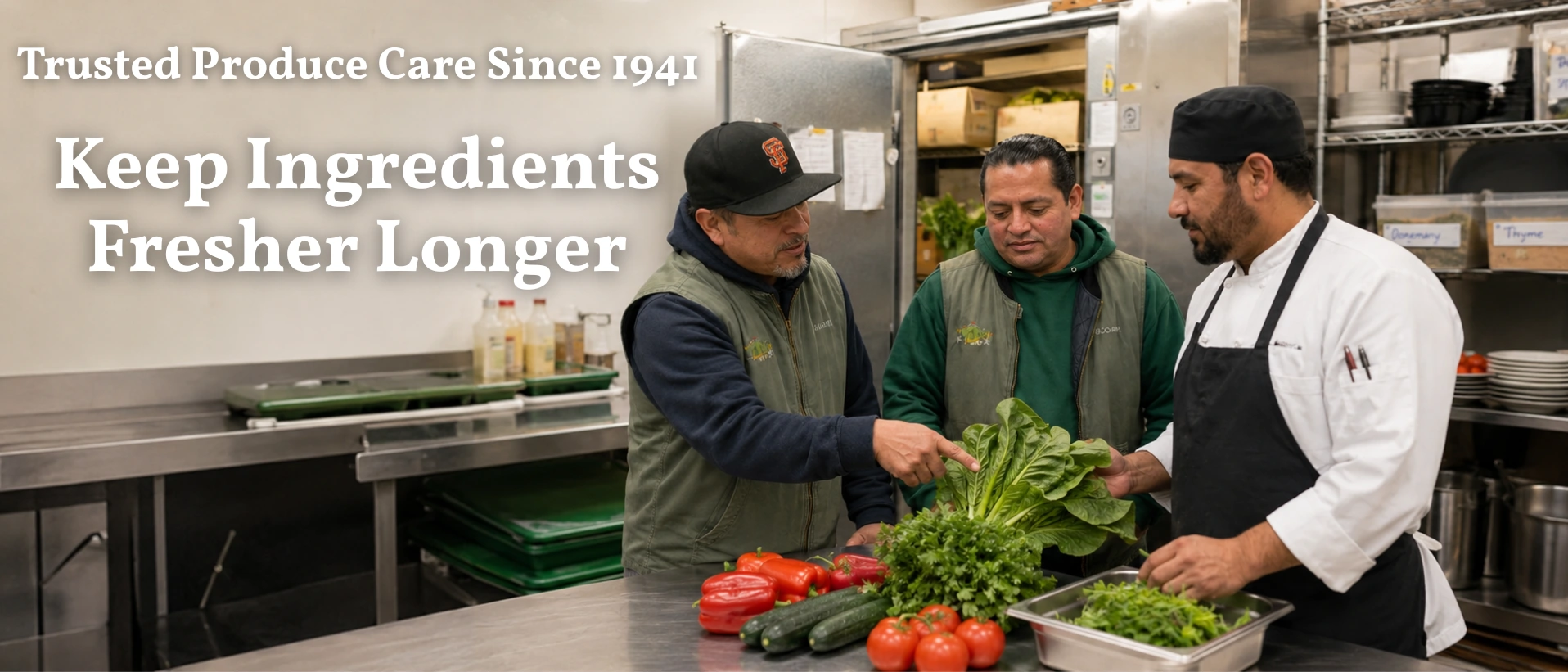
Freshness Starts with Proper Handling
Creating a comprehensive handling guide for every product we carry is an ongoing process. Please check back regularly for more information and updates.
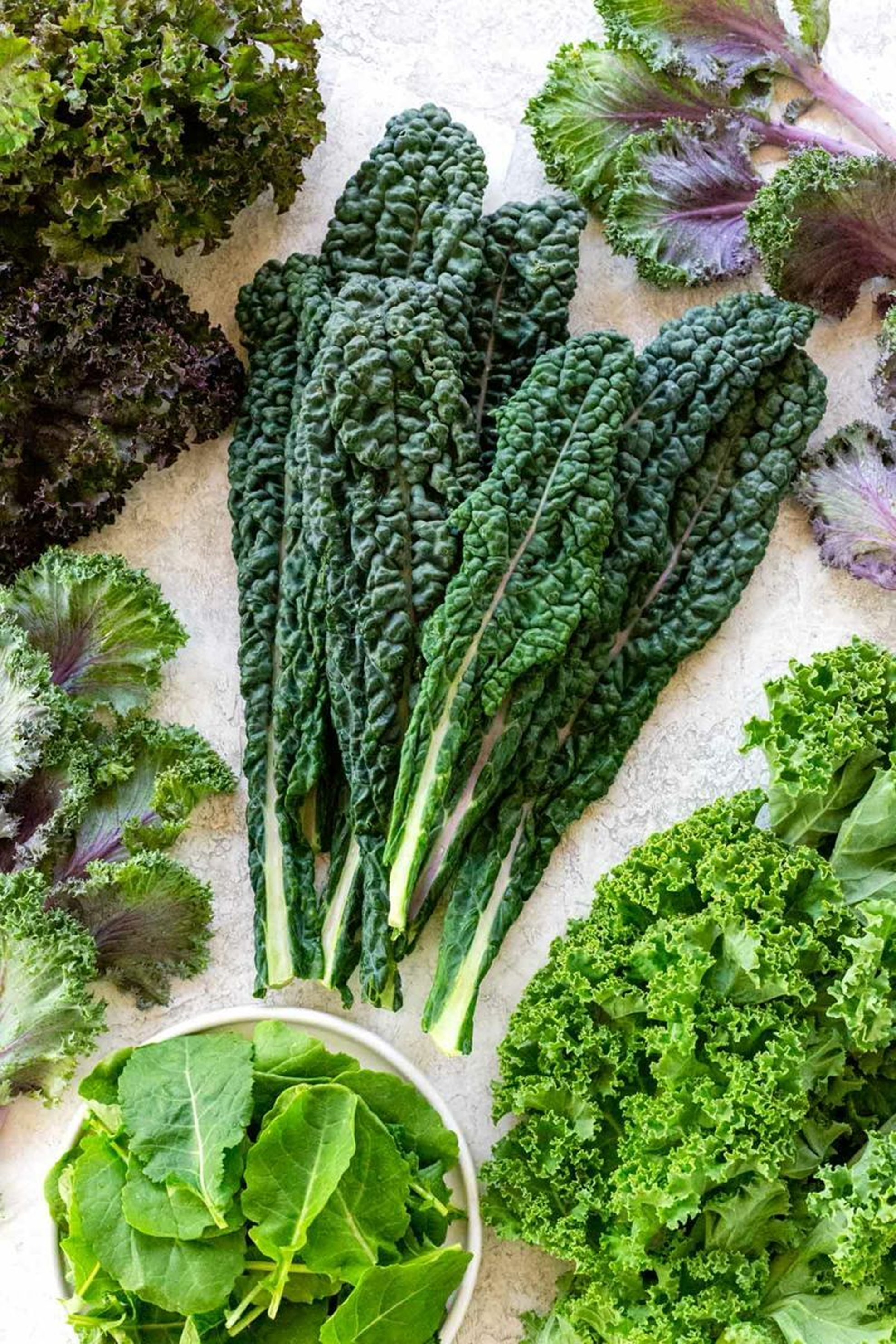
Kale
Storage & Handling:
● Keep kale refrigerated at 32–36°F (0–2°C).
● Store in a perforated plastic bag or airtight container to maintain moisture while allowing air circulation.
● Avoid washing until ready to use to prevent premature spoilage.
● Best consumed within 5–7 days of delivery for peak freshness.
● For longer storage, blanch and freeze; retains color, flavor, and nutrients.
Produce Care Tips
● Remove any wilted or yellow leaves before storing or cooking.
● Keep stems intact until ready to use; they help retain crispness.
● For smoothies or salads, chop and massage leaves to soften texture and enhance flavor.
● Pair with citrus or olive oil to balance its natural bitterness in dishes.
● Ideal for sautéing, steaming, roasting, or raw in salads — versatile and nutrient-rich.
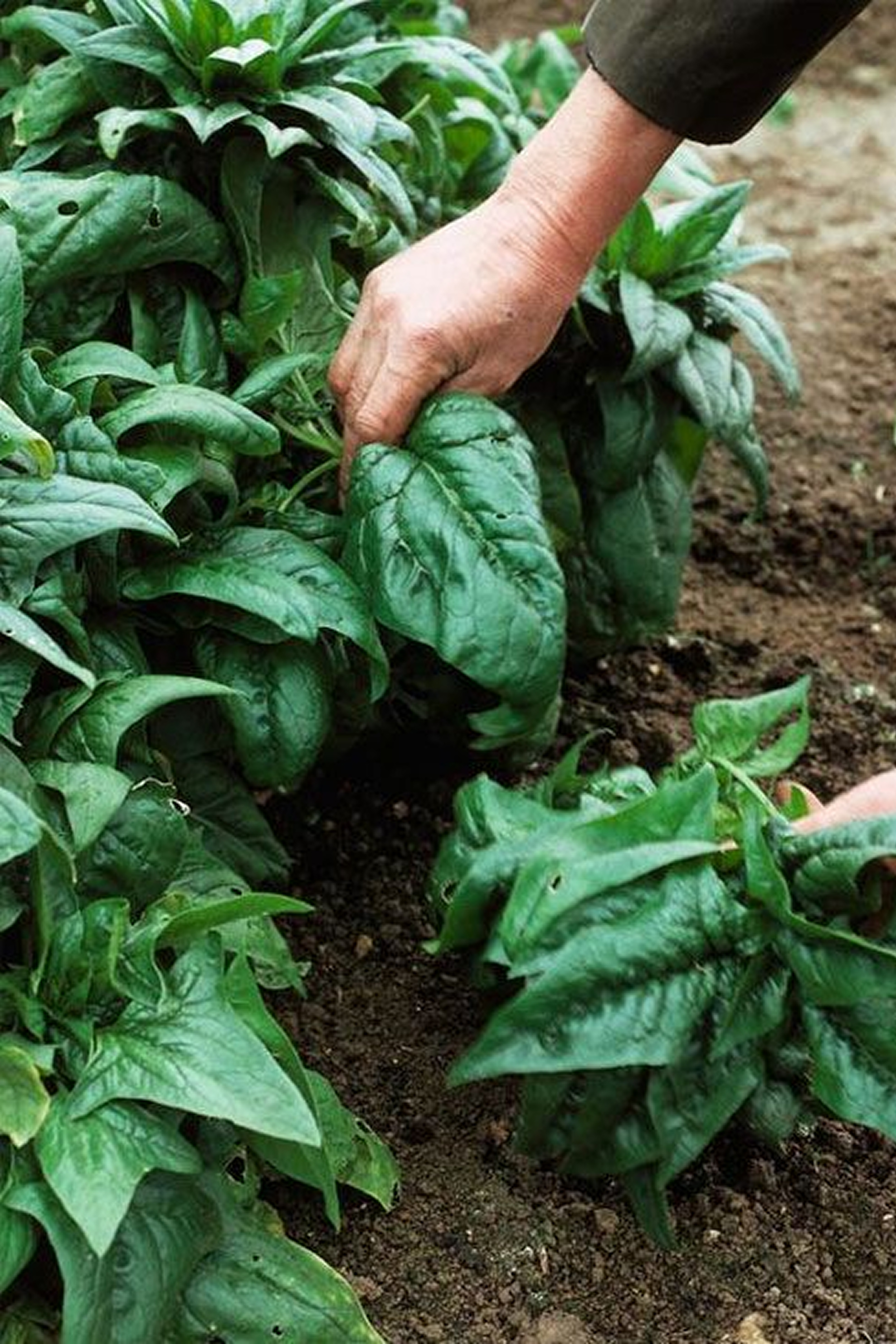
Spinach
Storage & Handling:
● Store spinach unwashed in the refrigerator at 32–36°F (0–2°C).
● Use a perforated plastic bag or airtight container lined with paper towels to absorb excess moisture.
● Avoid overcrowding — air circulation prevents wilting.
● Consume within 3–5 days for optimal freshness and flavor.
● For longer storage, blanch and freeze, which preserves color and nutrients.
Produce Care Tips
● Remove yellowing or damaged leaves before storing or preparing.
● Rinse just before use to prevent premature spoilage.
● For salads, toss leaves gently to avoid bruising.
● Ideal for sautéing, steaming, blending in smoothies, or fresh salads.
● Pair with acidic ingredients like lemon juice or vinegar to enhance flavor and preserve color.
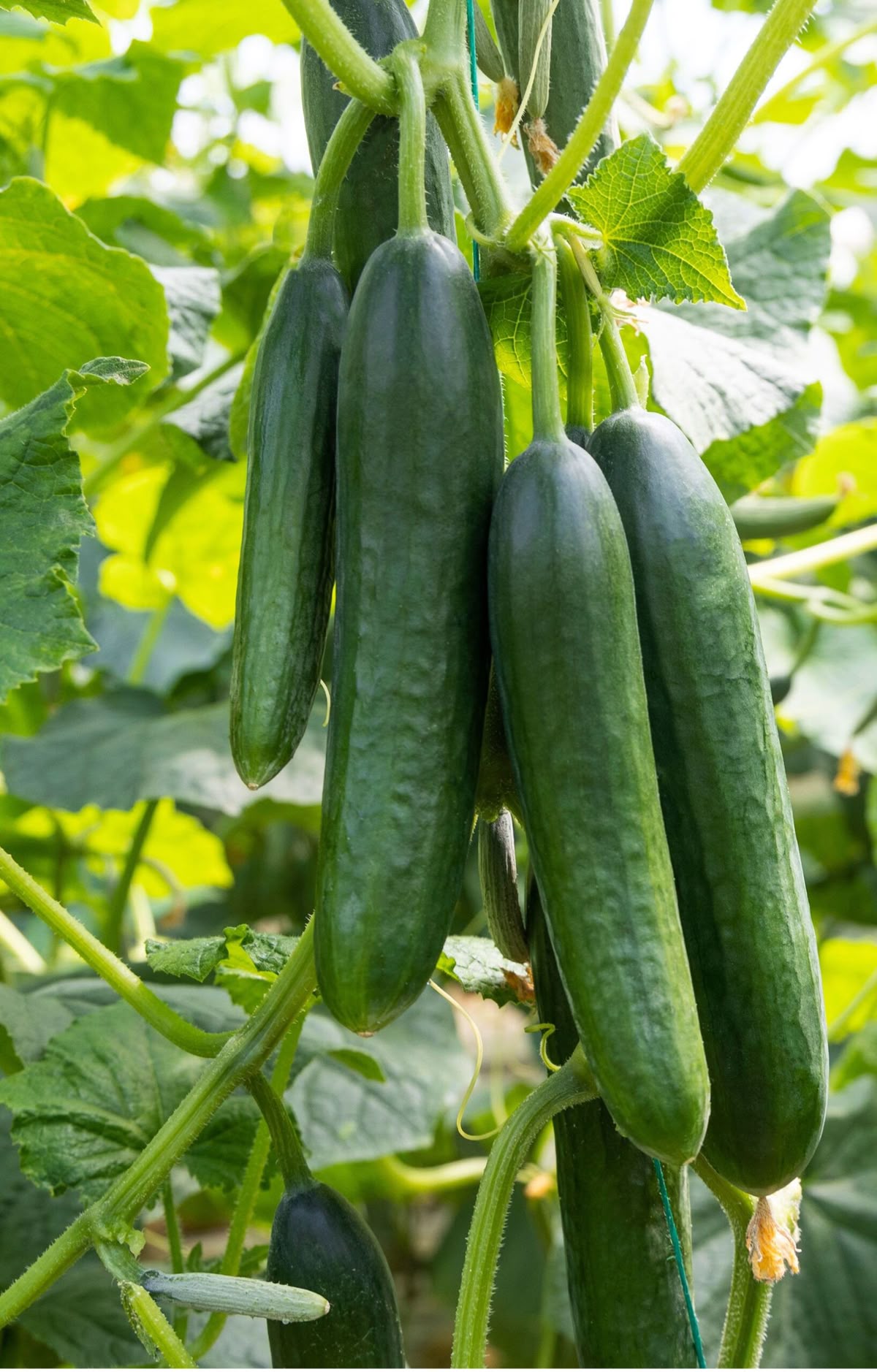
Cucumber
Storage & Handling:
● Store cucumbers at 45–50°F (7–10°C) for optimal quality — avoid temperatures below 41°F (5°C), as they are sensitive to chilling injury.
● If refrigeration is necessary, store in the crisper drawer and consume within a few days to minimize cold damage.
● Keep cucumbers unwashed and in a breathable bag or loosely wrapped to prevent moisture buildup.
● Avoid sealing in airtight plastic bags, as excess moisture can accelerate spoilage.
● Best consumed within 5–7 days of purchase for optimal freshness and texture.
Produce Care Tips
● Wash under cold water just before use.
● Trim ends if they become soft or dried out.
● Store whole whenever possible; sliced cucumbers should be kept in an airtight container and used within 1–2 days.
● Ideal for salads, sandwiches, pickling, and fresh snacking.
● Pair well with yogurt, herbs, citrus, and light dressings.
● Handle gently to avoid bruising or soft spots.

Bell Pepper
Storage & Handling:
● Store bell peppers refrigerated at 45–50°F (7–10°C) in the crisper drawer to maintain freshness and crisp texture.
● Keep unwashed and in a breathable bag or loosely wrapped to prevent excess moisture buildup.
● Avoid sealing in airtight plastic bags, as trapped moisture can cause spoilage and soft spots.
● Best consumed within 1–2 weeks of purchase for optimal quality.
● Once cut, store in an airtight container in the refrigerator and use within 2–3 days.
Produce Care Tips
● Inspect for soft or damaged spots and remove any compromised peppers before storage.
● Wash gently under cold water just before use.
● Handle carefully to avoid bruising, especially when plating or for wholesale packaging.
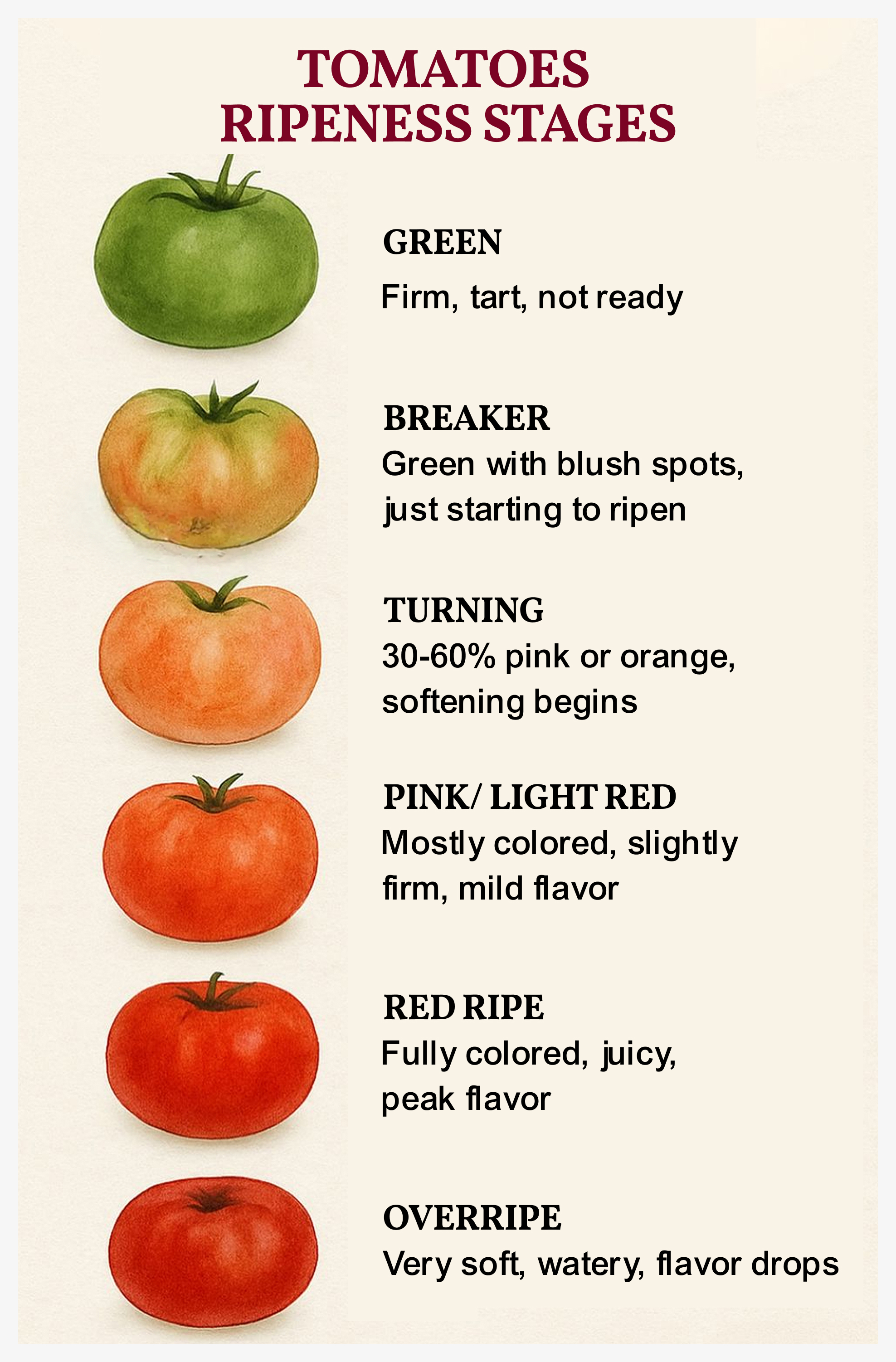
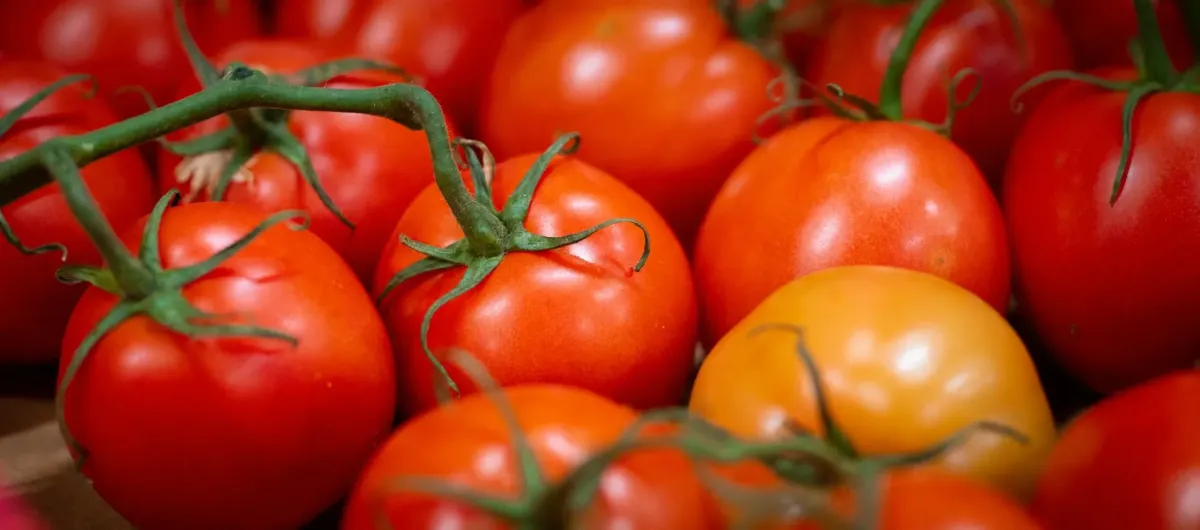
Tomatoes
Storage & Handling:
● Store tomatoes at room temperature, away from direct sunlight, to maintain flavor and texture.
● Avoid refrigeration until fully ripe, as cold can reduce flavor and cause mealy texture.
● Keep stem-side down to prevent moisture loss and bruising.
● Use within 3–5 days of ripening for optimal taste.
● For longer storage, preserve by canning, roasting, or freezing.
Produce Care Tips
● Handle gently to avoid bruising; tomatoes are delicate and prone to damage.
● Wash just before use, not before storage, to prevent mold.
● Perfect for fresh salads, sauces, roasting, and sandwiches.
● Combine with fresh herbs and olive oil to enhance natural sweetness.
● For chefs, check ripeness by gentle pressure — should yield slightly under fingers for peak flavor.
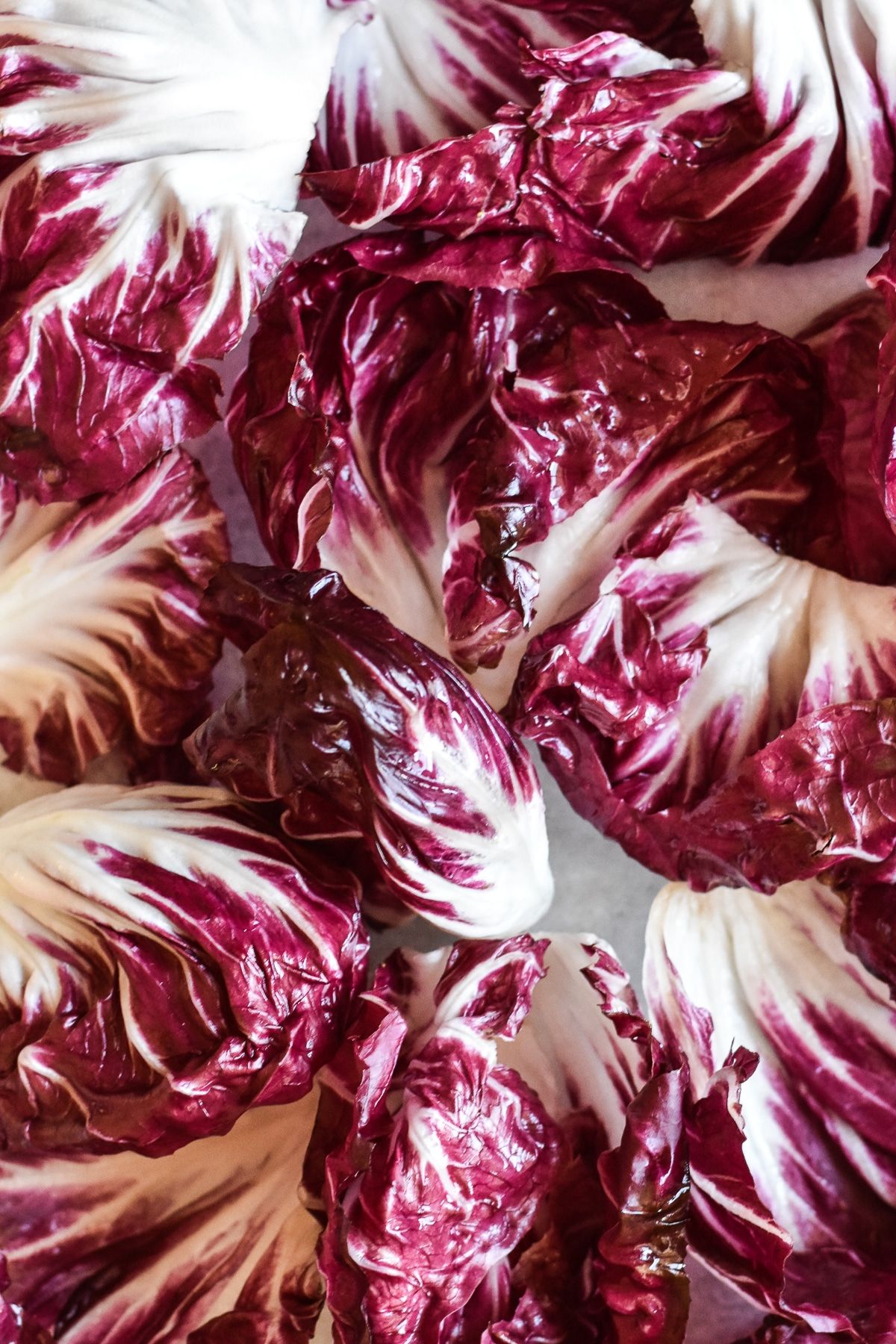
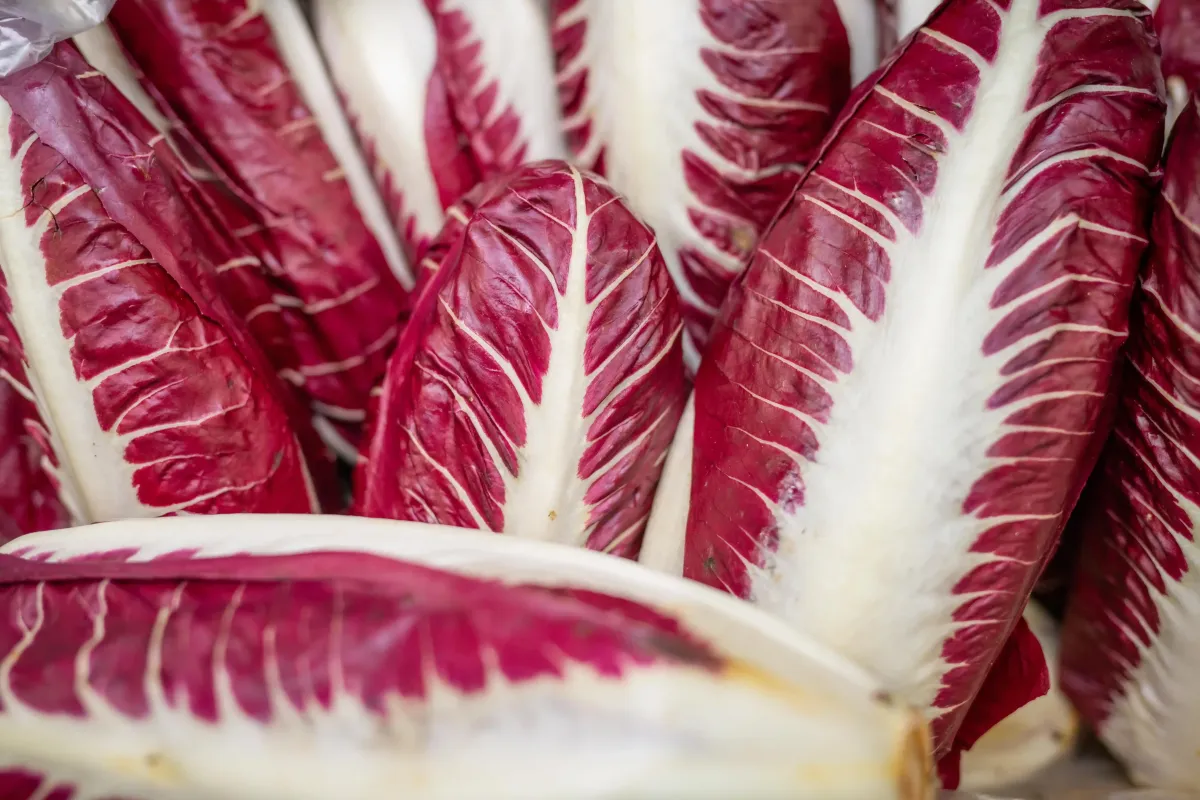
Radicchio
Storage & Handling:
● Store radicchio refrigerated at 32–36°F (0–2°C) in the crisper drawer to maintain freshness.
● Keep unwashed in a perforated plastic bag or loosely wrapped to retain moisture while allowing airflow.
● Avoid excess moisture, as it can lead to spoilage and leaf deterioration.
● Once cut, wrap tightly or store in an airtight container and refrigerate immediately.
● Best consumed within 1–2 weeks when whole, and within 3–5 days once cut.
Produce Care Tips
● Remove any wilted or damaged outer leaves before use.
● Rinse under cold water and dry thoroughly before serving.
● Radicchio has a naturally bitter flavor — soaking briefly in cold water can help mellow the bitterness if desired.
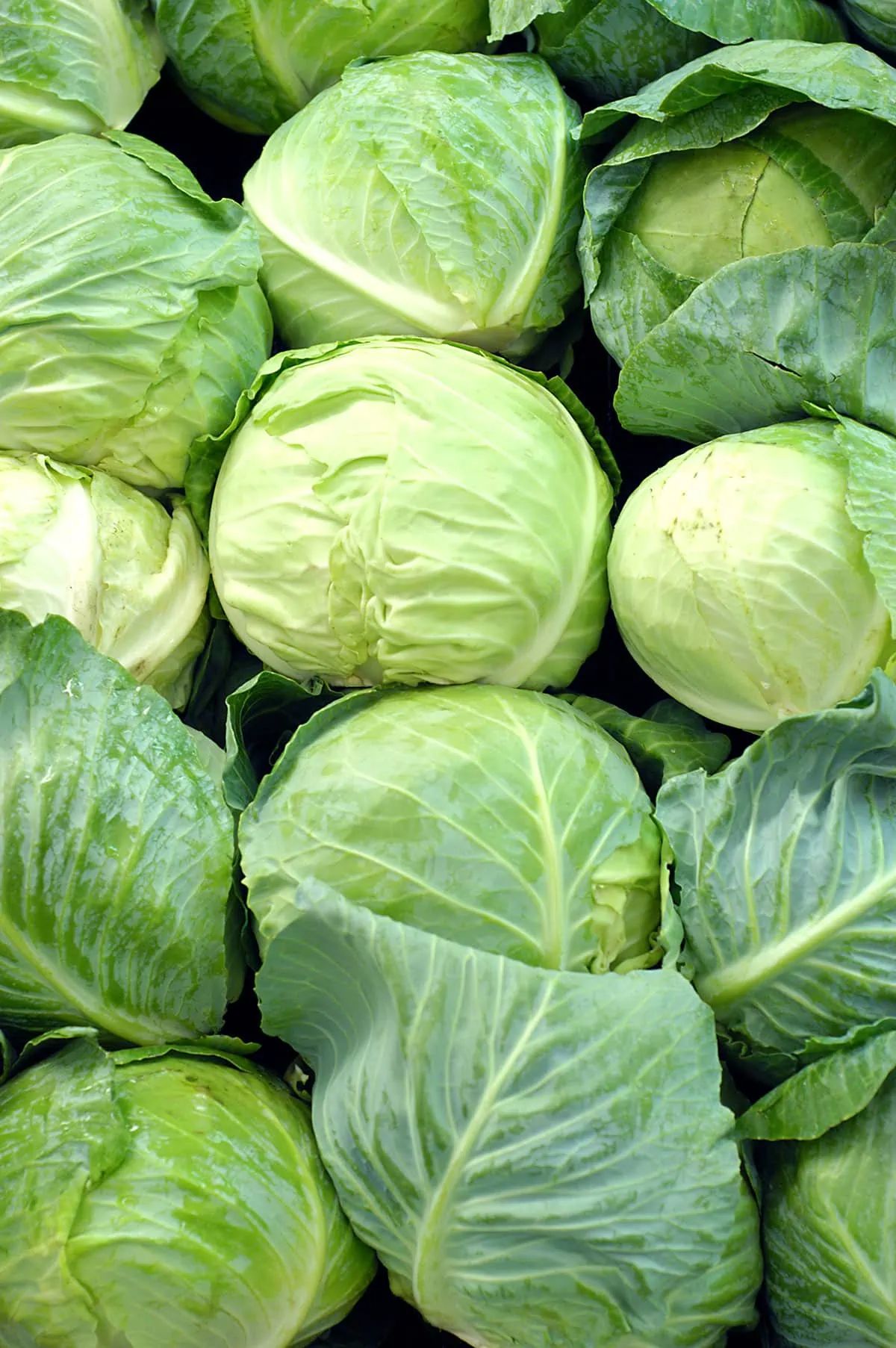
Cabbage
Storage & Handling:
● Store cabbage refrigerated at 32–36°F (0–2°C) in the crisper drawer to maintain freshness and humidity.
● Avoid tightly sealing, as trapped moisture can lead to spoilage.
● Best consumed within 1–2 weeks for whole cabbage, and within 3–5 days once cut.
● Keep away from ethylene-producing fruits (such as apples and bananas) to prevent premature spoilage.
Produce Care Tips
● Remove any wilted or damaged outer leaves before use.
● Rinse thoroughly under cold water before cutting or consuming.
● Cut surfaces may dry out or discolor — trim lightly if needed before use.
● Ideal for salads, slaws, stir-fries, soups, and fermentation (e.g., sauerkraut).
● Store cut portions with the core intact when possible to retain moisture longer.
● Handle gently to avoid bruising or splitting of the leaves.
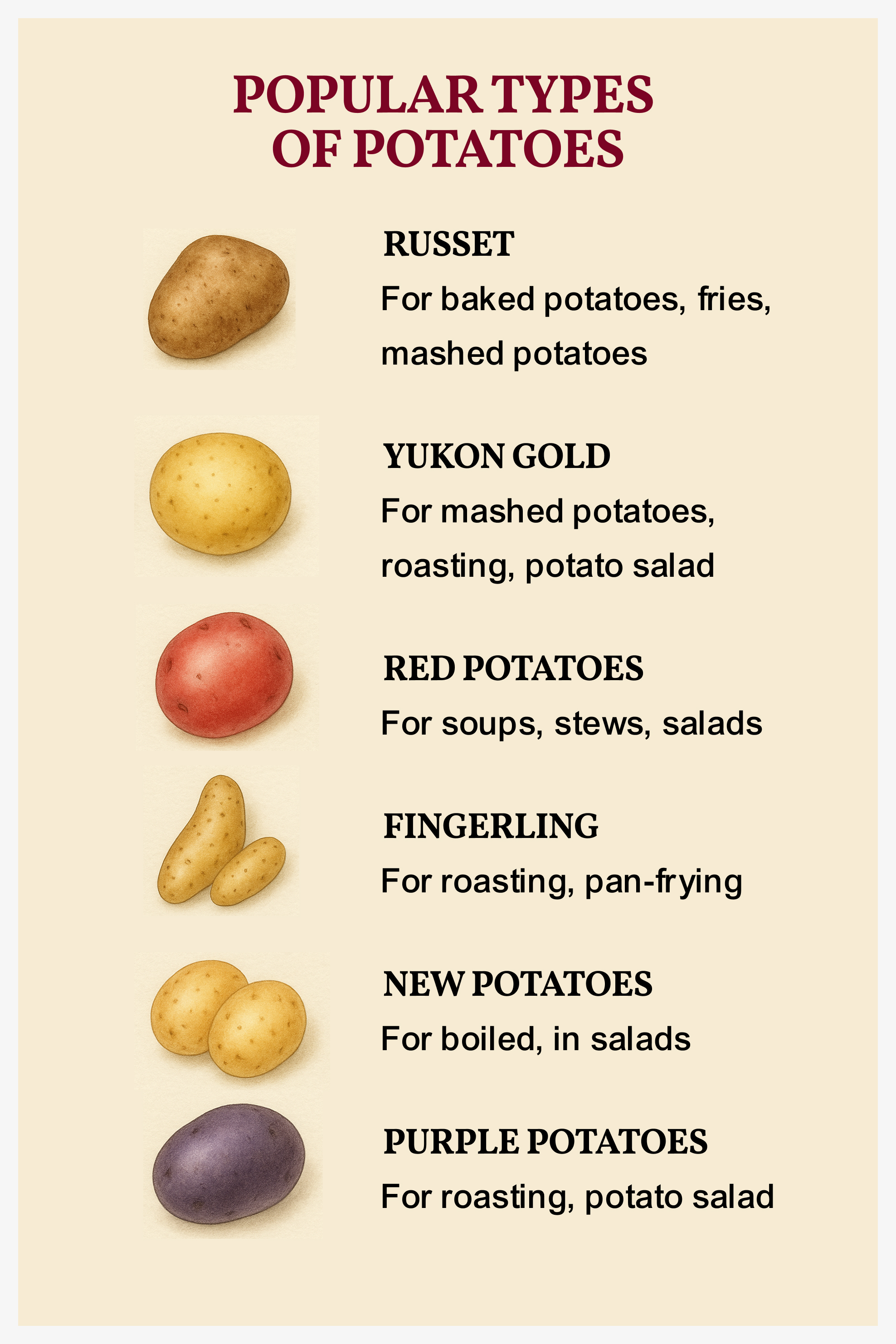
Potatoes
Storage & Handling:
● Store potatoes in a cool, dark, and well-ventilated area at 45–50°F (7–10°C).
● Keep away from direct sunlight to prevent greening and solanine formation.
● Avoid storing near onions or fruits that produce ethylene gas, which can accelerate sprouting.
● Do not refrigerate raw potatoes; cold temperatures convert starches to sugar, affecting flavor and texture.
● Use within 2–3 weeks for optimal taste and texture, or monitor regularly for sprouting.
Produce Care Tips
● Inspect potatoes regularly and remove any sprouting or soft spots.
● Wash just before cooking, not before storage, to preserve shelf life.
● Ideal for roasting, mashing, baking, or frying.
● For chefs, cutting potatoes uniformly ensures even cooking and consistent texture.
● Store different varieties separately if possible, as some types (e.g., Russet vs. Yukon Gold) have different shelf lives.
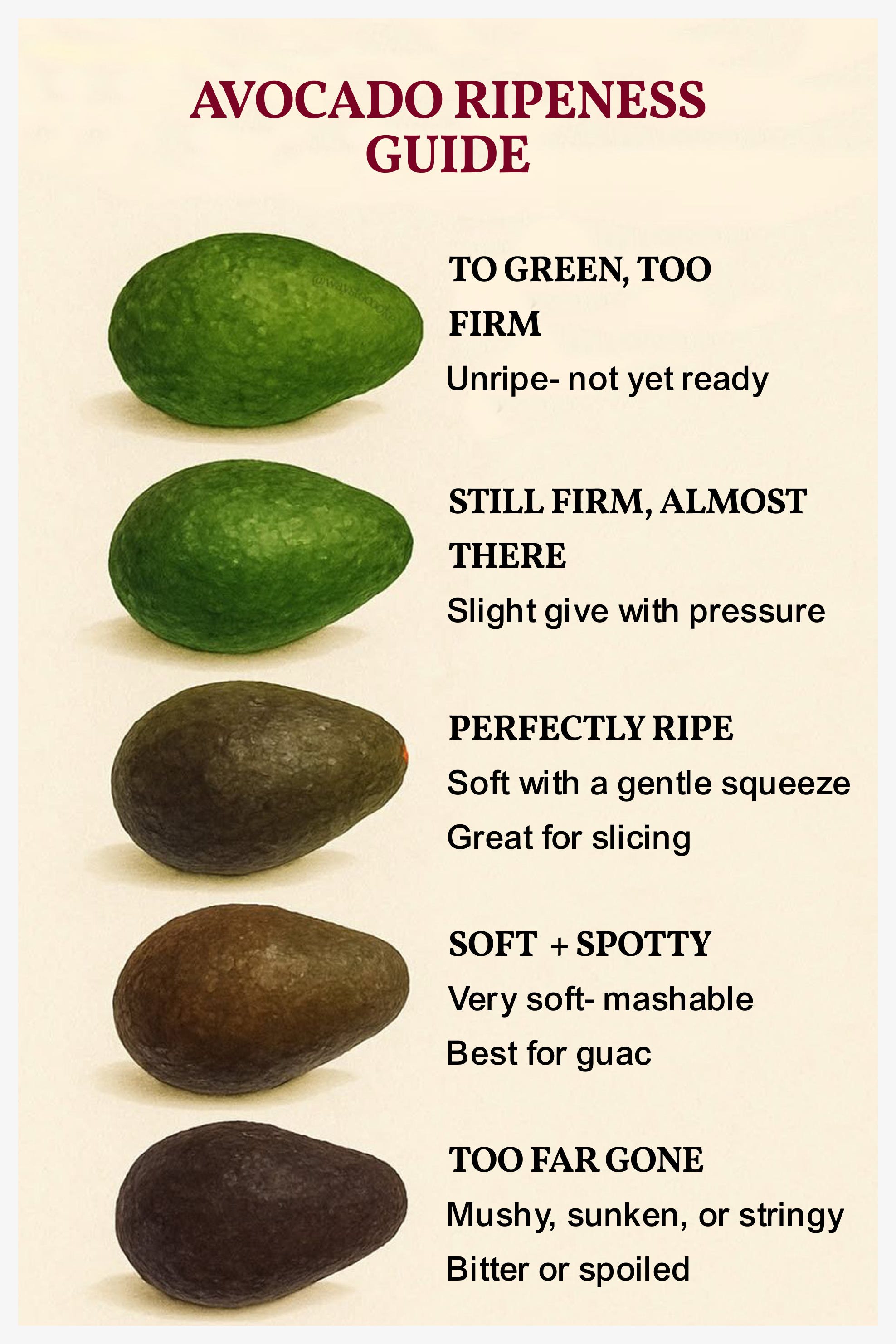
Avocado
Storage & Handling:
● Store unripe avocados at room temperature (65–75°F / 18–24°C) until they soften.
● Once ripe, move to the refrigerator to slow further ripening; can last 3–5 days.
● Keep avocados away from direct sunlight and ethylene-producing fruits if unripe.
● Handle gently to avoid bruising — damaged areas will accelerate spoilage.
● For longer storage, slice and store with a little lemon or lime juice to prevent browning.
Produce Care Tips
● Check ripeness by gentle pressure at the stem end — it should yield slightly when ready.
● For salads, sandwiches, or dips, slice or mash just before use to maximize flavor and texture.
● Store cut avocados in an airtight container with acidic protection (lemon/lime) to minimize oxidation.
● Ideal for smoothies, salads, guacamole, and toast toppings.
● Pair with tomatoes, citrus, or olive oil to enhance natural flavor.
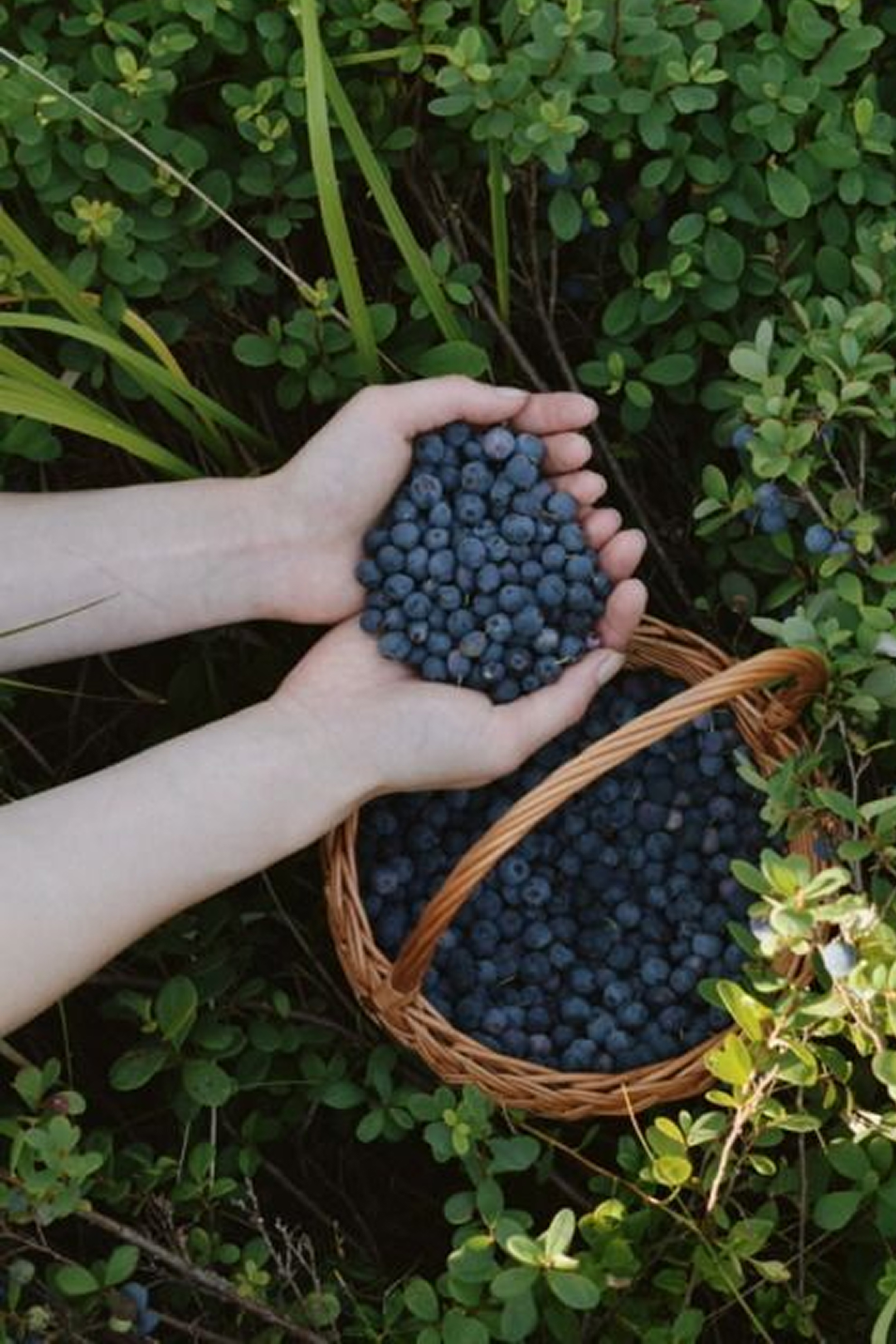
Blueberries
Storage & Handling:
● Keep blueberries refrigerated at 32–36°F (0–2°C) in their original container or a shallow container lined with paper towels to absorb moisture.
● Do not wash before storage — excess moisture promotes mold and spoilage.
● Avoid stacking too deep; thin layers prevent crushing.
● Best consumed within 5–7 days of delivery for optimal freshness.
● For longer storage, freeze on a tray first, then transfer to airtight freezer bags to preserve texture and flavor.
Produce Care Tips
● Gently inspect for moldy or crushed berries and remove them before storage.
● Rinse berries just before serving or using in recipes.
● Ideal for desserts, smoothies, salads, or as fresh garnishes.
● Pair with yogurt, citrus, or leafy greens to enhance flavor.
● Handle carefully to maintain shape and appearance, especially for plating or wholesale packaging.
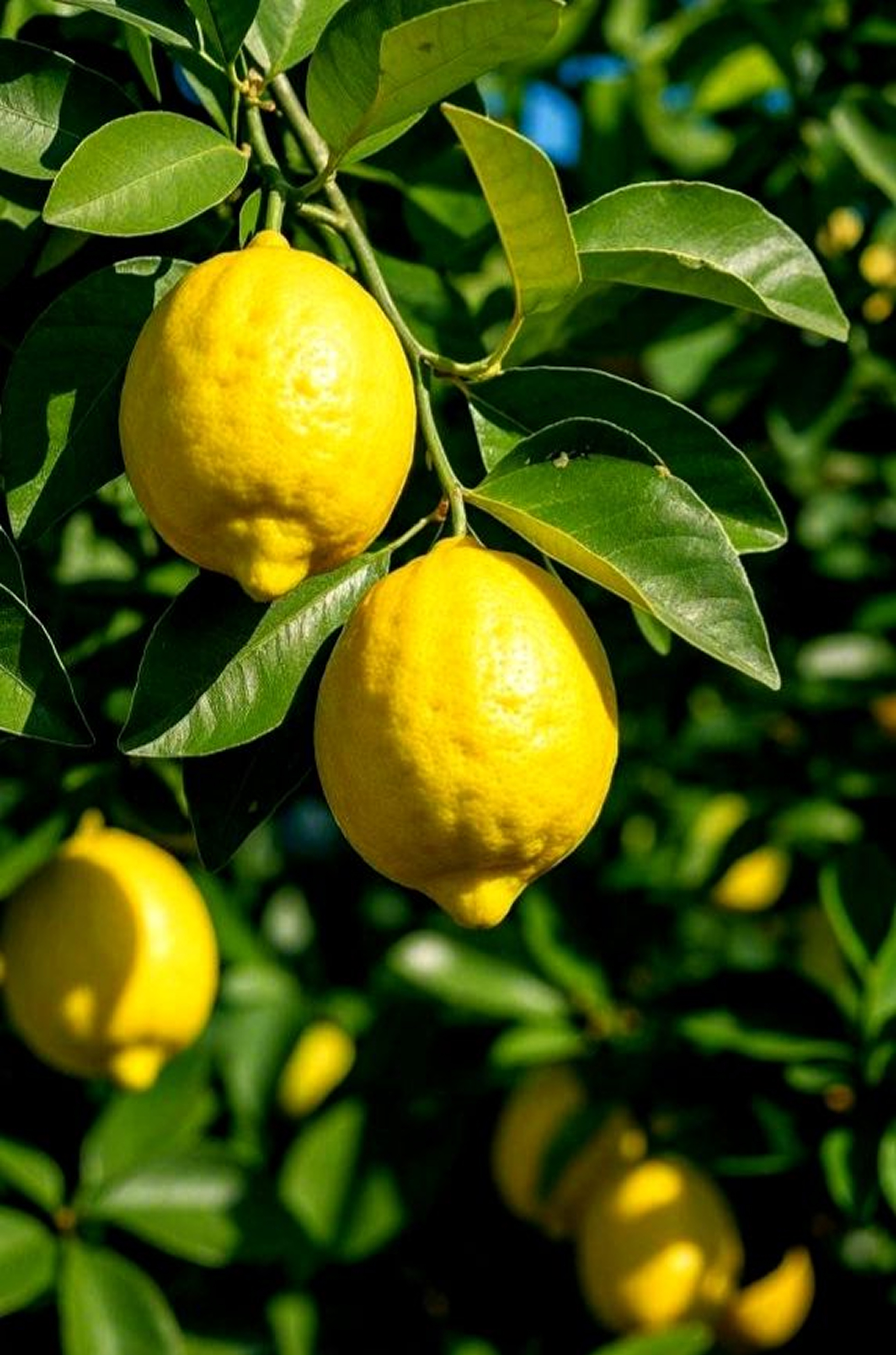
Lemon
Storage & Handling:
● Store lemons refrigerated at 40–45°F (4–7°C) in the crisper drawer or in perforated plastic bags to retain moisture.
● Keep lemons away from ethylene-producing fruits like apples and bananas to prevent premature softening.
● Whole lemons can last up to 3–4 weeks when stored properly.
● Avoid stacking too tightly to prevent bruising.
● For longer storage, freeze zest or juice separately.
Produce Care Tips
● Roll lemons gently before juicing to maximize juice yield.
● Wash before use if using zest or slices for garnish.
● Ideal for cocktails, salad dressings, marinades, and desserts.
● Store cut lemons in an airtight container in the fridge to maintain freshness.
● Pair with seafood, leafy greens, and herbs to enhance flavor.
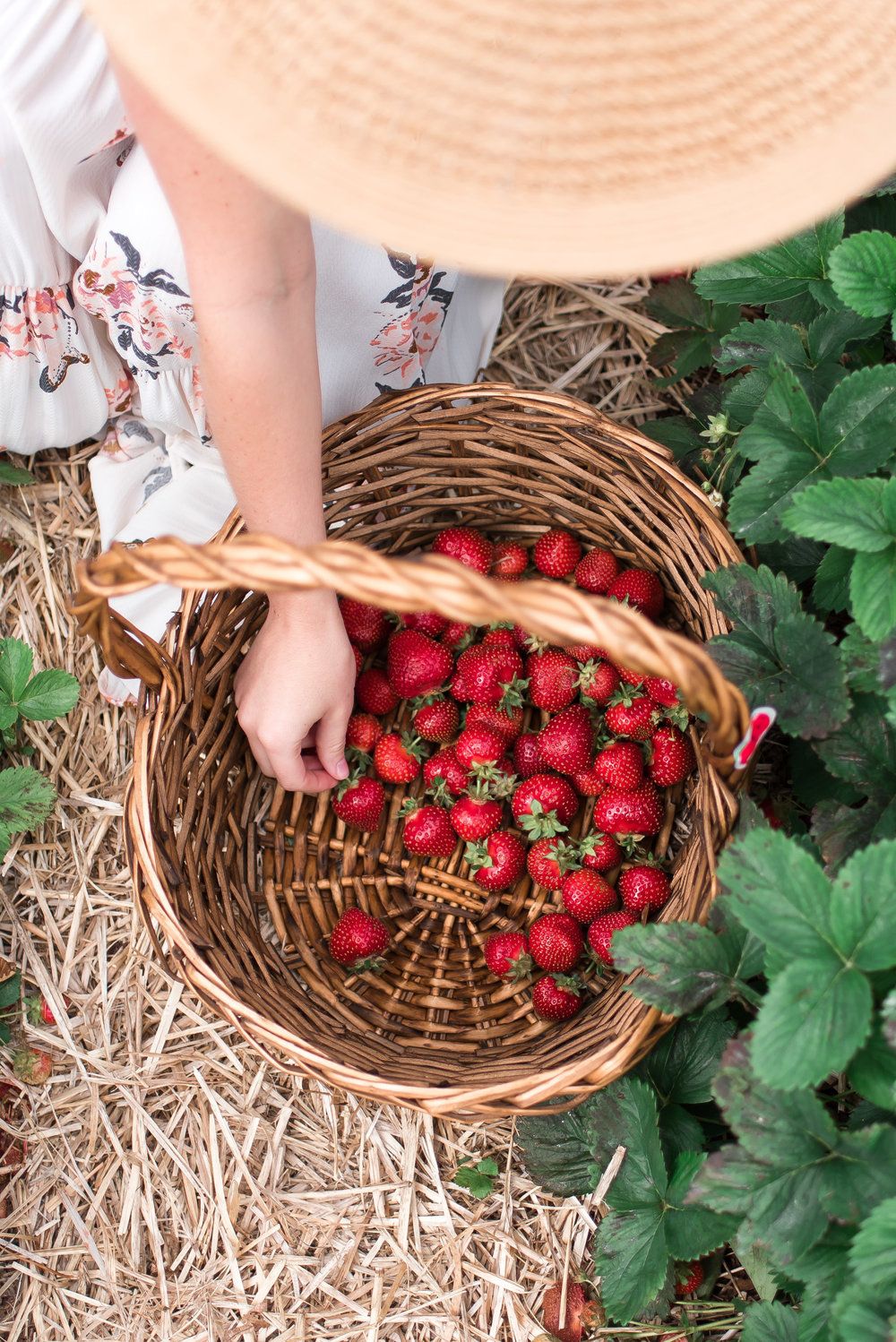
Strawberries
Storage & Handling:
● Keep strawberries refrigerated at 32–36°F (0–2°C) in their original container or a breathable container lined with paper towels to absorb excess moisture.
● Do not wash before storage — moisture accelerates mold growth and spoilage.
● Keep the hulls (green tops) intact until ready to use to maintain freshness.
● Best consumed within 2–4 days of delivery for optimal freshness and texture.
Produce Care Tips
● Inspect regularly and remove any soft or moldy berries immediately to prevent spreading.
● Rinse gently under cold water just before use, and pat dry.
● Avoid soaking, as strawberries absorb water and lose flavor.

Oranges
Storage & Handling:
● Store oranges at 36–45°F (2–7°C) in the refrigerator to extend shelf life, or at cool room temperature if consuming within a few days.
● Keep in a breathable bag or loose in the crisper drawer to allow airflow and prevent moisture buildup.
● Avoid storing in sealed plastic bags, as trapped moisture can lead to mold.
● Best consumed within 1–2 weeks when refrigerated, or within 3–5 days at room temperature.
Produce Care Tips
● Inspect regularly and remove any soft or moldy fruit to prevent spreading.
● Wash under cool water before peeling or cutting.
● Oranges can be stored alongside other citrus but should be kept separate from highly ethylene-sensitive produce.
● Handle with care to avoid bruising, which can lead to faster spoilage.
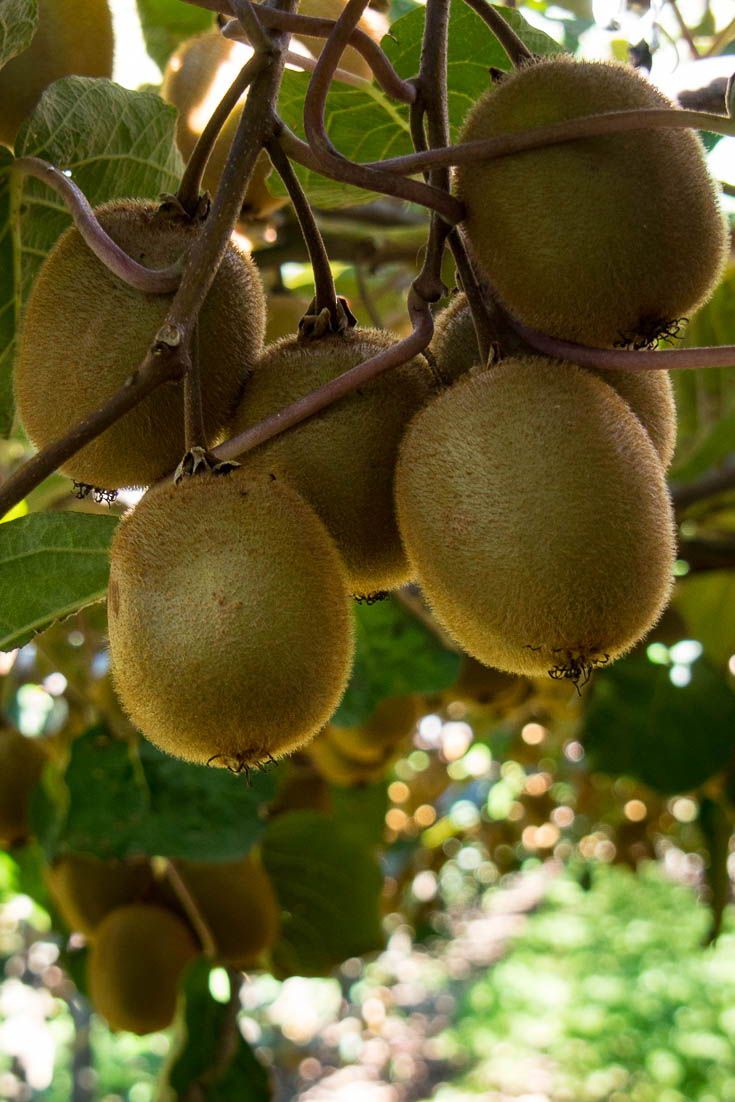
Kiwi
Storage & Handling:
● Store unripe kiwis at room temperature until they yield slightly to gentle pressure.
● To speed up ripening, place in a paper bag with ethylene-producing fruits such as apples or bananas.
● Once ripe, refrigerate at 32–36°F (0–2°C) to extend shelf life.
● Keep in a breathable container or loosely stored to prevent excess moisture buildup.
● Do not wash before storage — rinse just before consumption.
● Best consumed within 5–7 days once ripe and refrigerated.
Produce Care Tips
● Check ripeness by gently pressing — ripe kiwis will be slightly soft, not firm or mushy.
● Avoid stacking heavy items on top, as kiwis bruise easily.
● Slice or scoop with a spoon for easy consumption.
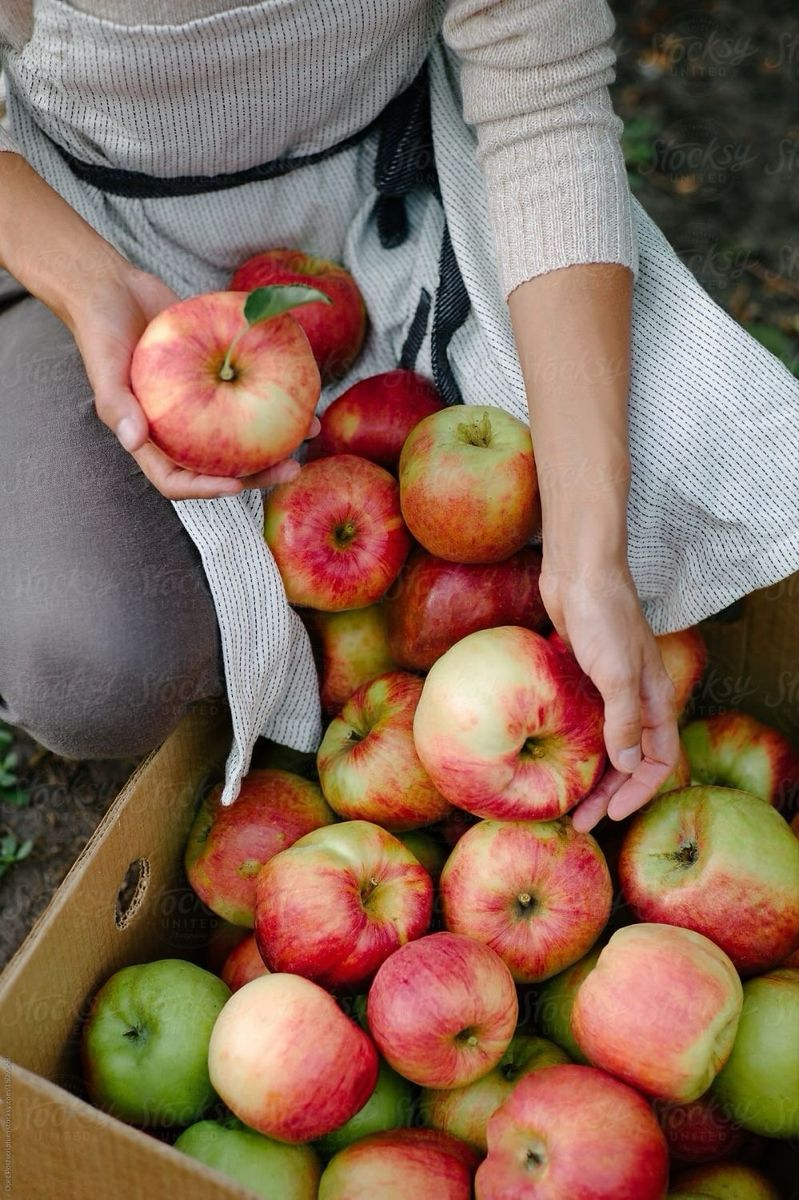
Apples
Storage & Handling:
● Store apples refrigerated at 32–36°F (0–2°C) in the crisper drawer to maintain freshness and crisp texture.
● Keep in a breathable bag or loosely stored to allow airflow and prevent moisture buildup.
● Apples produce ethylene gas — store separately from ethylene-sensitive produce to avoid premature ripening.
● Best consumed within 2–4 weeks when refrigerated for optimal quality.
● Keep away from strong odors, as apples can absorb surrounding smells.
Produce Care Tips
● Inspect regularly and remove any bruised or damaged apples to prevent spoilage from spreading.
● Wash thoroughly under cold water before eating or slicing.
● Store cut apples in an airtight container and use within 1–2 days to prevent browning.
● To slow browning, lightly coat cut surfaces with lemon juice.
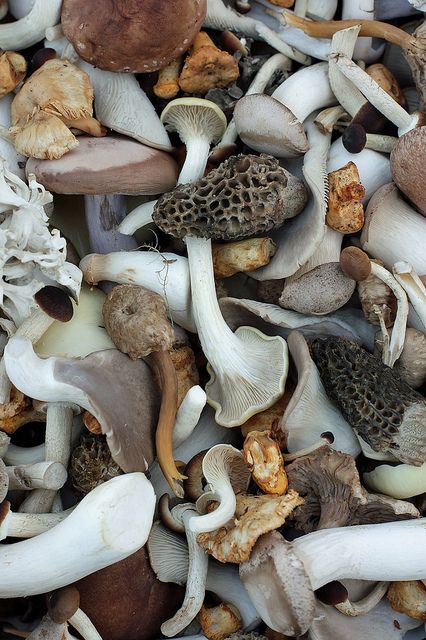
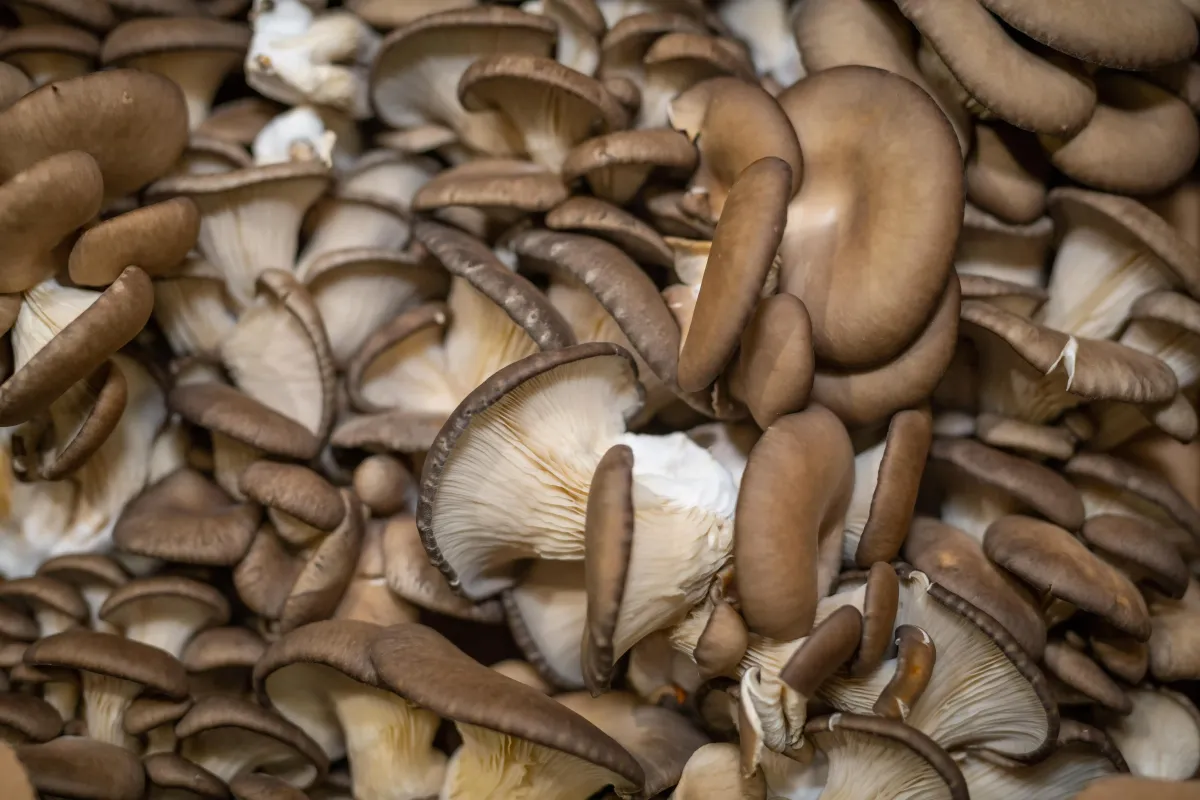
Mushrooms
Storage & Handling:
● Store mushrooms refrigerated at 34–38°F (1–3°C) in their original packaging or in a paper bag to allow airflow and prevent moisture buildup.
● Avoid storing in airtight plastic containers or sealed bags, as trapped moisture can cause sliminess and spoilage.
● Do not wash before storage — mushrooms absorb water easily and may deteriorate faster.
● Best consumed within 5–7 days of delivery for optimal freshness and texture.
● If pre-sliced, use within 2–3 days as they spoil more quickly.
Produce Care Tips
● Clean gently with a dry brush or damp paper towel just before use — avoid soaking.
● Trim the stem ends if they appear dry or discolored.
● Cook thoroughly for best flavor and texture; mushrooms release moisture when heated.
● Handle gently to avoid bruising and maintain appearance, especially for presentation.
Trusted by
Local Businesses
This platform has completely transformed how we manage our marketing campaigns. The ease of use and powerful features have made a significant impact on our ROI.


The automation capabilities are incredible. We've saved countless hours and improved our customer engagement significantly.


The analytics and reporting features give us insights we never had before. Our conversion rates have improved by 40%.


Next Month's
Seasonal Highlights
Coming Soon!
(COMING SOON!) Get the latest updates about availability, best buys, produce information and more!
Stanley Produce brings four generations of hands-on experience in the Bay Area produce market, with deep relationships, real-time sourcing insight, and a commitment to quality you can count on. This section will keep you up to date with what’s fresh, what’s moving, and what to plan for—giving you a clear advantage when it comes to availability, pricing, and seasonal shifts. Whether you’re placing orders daily or planning ahead, consider this your go-to resource for staying connected to the pulse of produce in the Bay Area.
Current seasonal highlights and what’s freshest right now
Best buys and featured items based on market conditions
Products that are limited, delayed, or temporarily unavailable
Recommended substitutions when key items are hard to source
Insights into upcoming availability and seasonal transitions
Tips for ordering, planning, and maximizing product quality
Important updates from our team to help you stay ahead
got questions? we've got answers!
Get answers You Need the moment you need them – without waiting for a callback
"Luna" is our NEW English/Spanish Bilingual
Al-Powered Virtual Phone Assistant!
Tap the "Click to Call" button below for help with product availability, ordering assistance and guidance, delivery questions or general questions
about Stanley Produce.
consistent quality
dependable delivery
Get answers Right here on our website, right now - 24/7/365
without waiting for a callback...
Meet "Stan the Produce Man"
Your Virtual Web Concierge and Guide
Get clear guidance on how to open a new customer account
Ask questions about ordering, delivery, and how we work
Learn more about Stanley Produce, our history, and what sets us apart
Chat in English or Spanish -- whichever you prefer
Get quick, straightforward answers without interrupting your workflow
Be guided to the right next step when you need help from our team
➔ Click the Button below to chat with "stan the produce man!"

Phone
Main line (Call): (415) 282-7510
Second line (Call): (415) 410-9495
Third line (Text to Order): 415-705-9763
Owner/President (Stanley Corriea Jr):
[email protected]
Account Management (Sarah Houston):
[email protected]
Sales & Delivery Supervisor (Gustavo Martin):
[email protected]
Fax:
(415) 282-5363
Our Location
Stanley Produce Company INC. 2088 Jerrold Avenue, San Francisco, CA, 94124

© Copyright 2026 Stanley Produce - All rights reserved. SmartWeb System created by WickedSmartWeb.com
